Featured Investigation

SOLUTIONS JOURNALISM
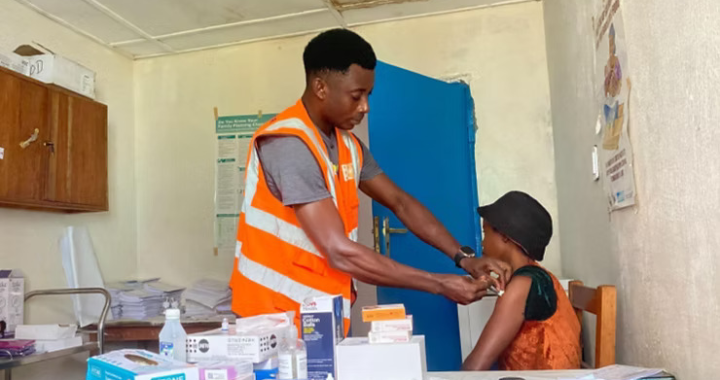
Youth Friendly Centers: Liberia’s Lifeline Keeping Teen Girls in School
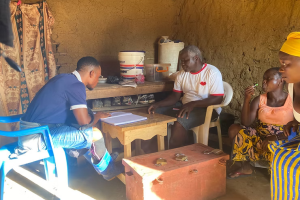
On a bright Tuesday morning in Cesto, Rivercess County, Angelina Jalamutee, 25, walks to the St. Francis Hospital Youth Friendly...
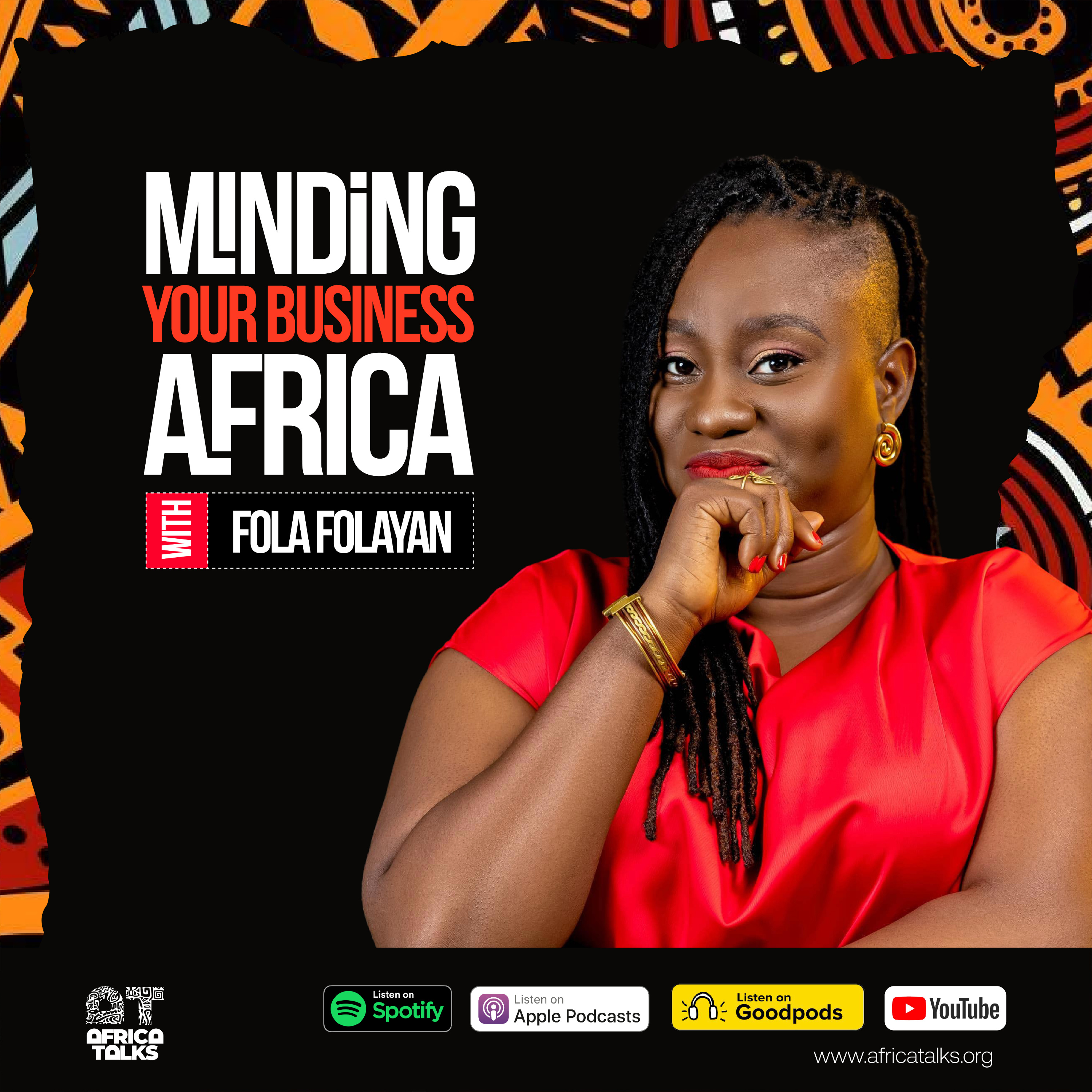
Created to amplify the stories of African business owners, founders and creators, Minding Your Business Africa helps propel African entrepreneurs on their journey towards achieving success and standing out in the crowded marketplace. Hosted by Fola Folayan, Minding Your Business Africa covers a variety of essential business topics such as leadership, online marketing, business management and branding.
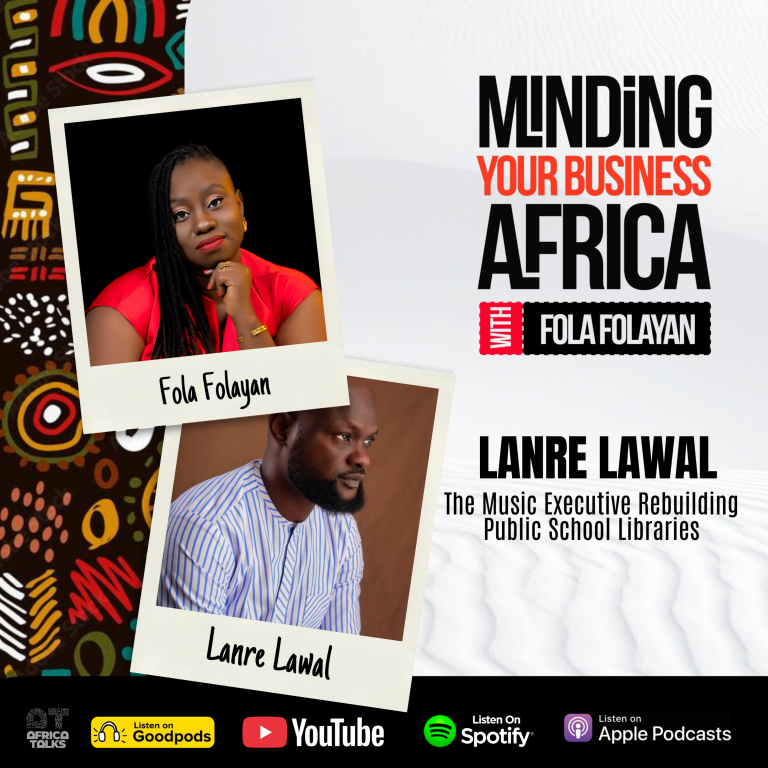
In this episode of Minding Your Business Africa, Fola Folayan sits down with creative entrepreneur and talent manager Lanre Lawal to explore the journey behind the man known as The Consultant.
From growing up in Agege to building artist brands and launching the Lanre Lawal Library Project, Lanre shares why reading changed his life and why he's committed to restoring public school libraries across Nigeria.
It's a conversation about creativity, purpose, education, and investing in the next generation.
The Alternative is a conversation series from Africa Talks Network, hosted by Nelly Kalu.
The series goes beyond the headlines and behind the stories, featuring conversations with journalists, filmmakers, researchers, and creators about the work that shapes public interest storytelling across Africa.
Through honest and thoughtful discussions, The Alternative explores the process, ethics, challenges, and impact behind investigations, documentaries, culture, technology, climate, and the stories that help us better understand the world around us.
In this episode of The Alternative, we go behind the scenes of Mongabay’s video investigation Defying Conflict to Track the World’s Rarest Chimpanzees.
Nelly Kalu speaks with wildlife filmmaker and documentary producer Tom Richards about reporting in Nigeria’s Gashaka-Gumti National Park, the challenges of conservation storytelling in conflict-affected areas, and the people working to protect the endangered Nigeria-Cameroon chimpanzee.
The conversation explores filmmaking, ethics, local storytelling, conservation, and what it takes to tell environmental stories that matter.